
素材とお手入れ
革製品、綿製品、ナイロン製品、
レザー
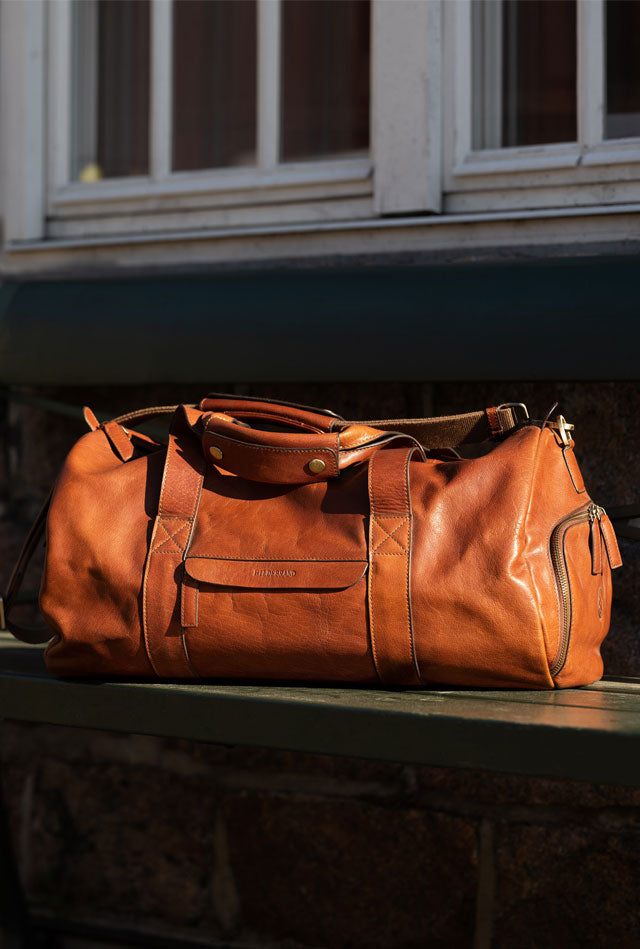
当社のバッグや靴に使用される革は、通常の方法で飼育された牛から得られています。牛は肉用に屠殺され、その皮は副産物として原皮として販売されます。HILDEBRAND製品では、監査を受けREACH規制に準拠したタンナーと提携しており、これは化学物質の製造・使用およびそれらが人の健康や環境に与える影響に対応しています。タンナーは廃棄物処理・リサイクルシステムを整備しています。使用するすべてのタンナーはLeather Working Group(LWG)のゴールドまたはシルバー評価のメンバーです。当社は製品に植物性なめしを採用しています。
綿
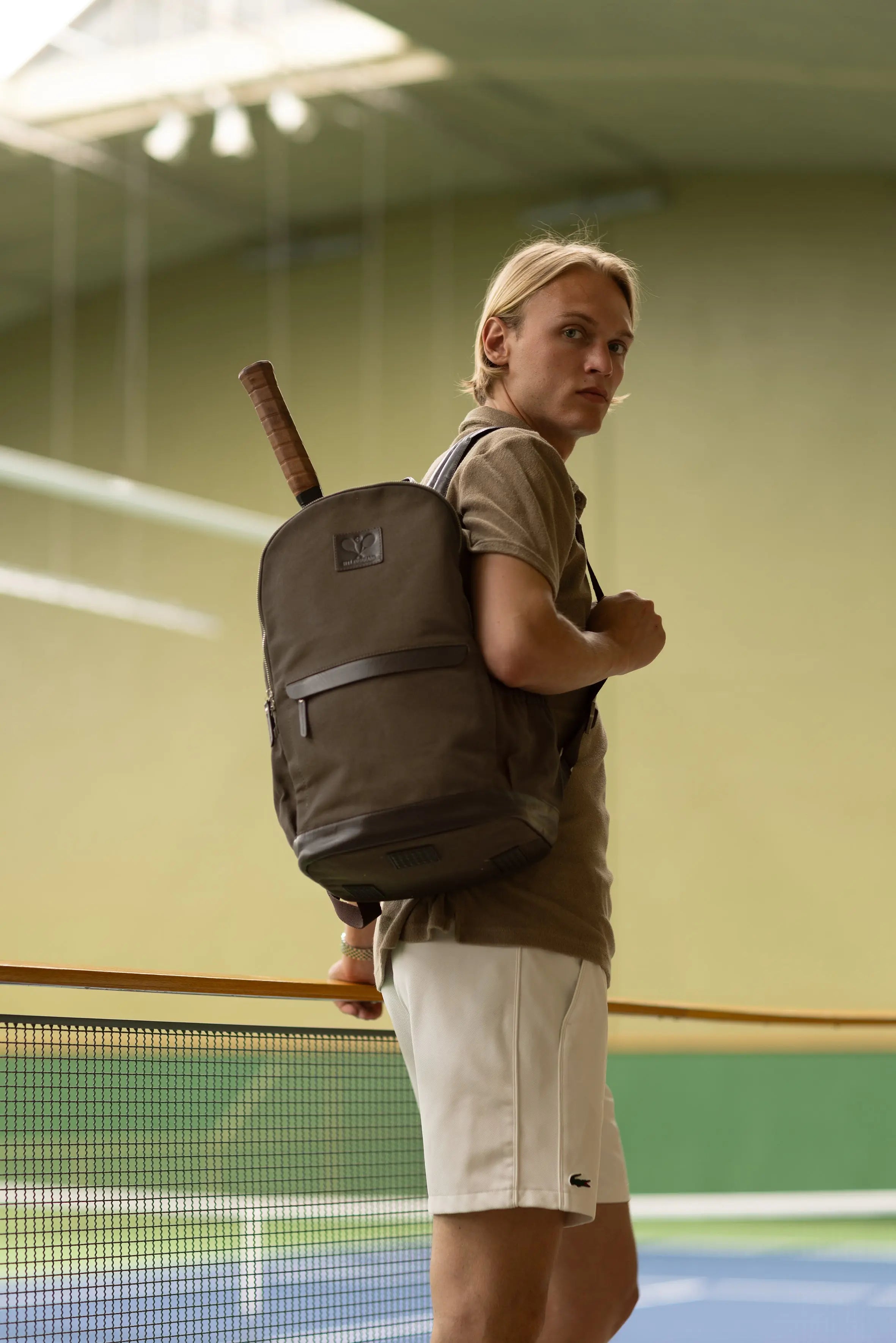
オーガニックコットンは、化学農薬、肥料、遺伝子組み換え作物を使わずに栽培されています。HILDEBRANDSのキャンバス製品はすべてオーガニックコットンで作られています。サプライヤーと協力し、最高品質、適正な賃金、良好な労働環境を確保しています。コットンキャンバスは非常に耐久性があり長持ちします。日光による色あせ、愛用による擦れ、繰り返しの洗濯はすべて魅力の一部です。濃色の生地は色あせしますが、当社では通常の染色よりも長持ちする色を時間をかけて開発しました。ただし、過度の色あせを避けるために、バッグは直射日光や塩水にさらさないようにしてください。シミがついたからといって必ずしも洗濯機で洗う必要はありません。多くの場合、丁寧な部分洗いで十分です。当社のキャンバスバッグには本革のディテールが使われていることも多いため、洗濯はあまり推奨されません。
NYLON
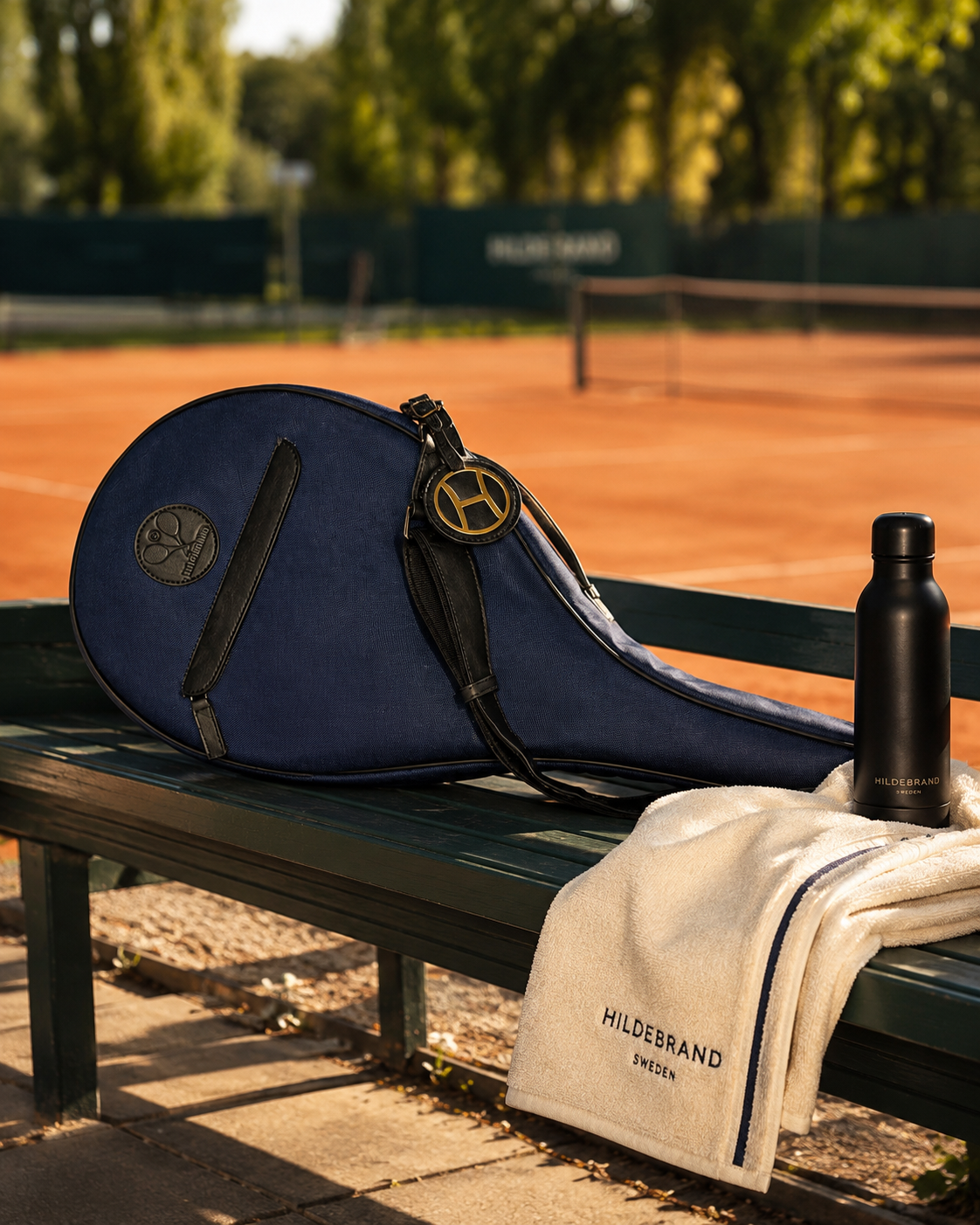
Nylon is the name of a family of synthetic polymers that are commonly used to make a variety of different types of apparel and consumer goods. Unlike other organic or semi-synthetic fibers, nylon fibers are entirely synthetic, which means that they have no basis in organic material. Recycled nylon is produced from post-industrial waste or from discarded nylon-based products. In addition to their environmental friendliness, the recycled nylon fibers are both strong, light and durable. Nylon fabrics have low resistance to sunlight and tend to weaken and may become discolored on direct exposure to it. For drying purposes, it is better to avoid sunlight and dry it in the shade. Nylon is also heat sensitive, and thus high temperatures may cause it to shrink, loosen, or discolor. Thus, exposing the fabric to high temperatures should be avoided.Usually, dirt does not cling to nylon fabrics, thus making it easy to clean it. However, in cases of severe dirt and soil removal, a pretreatment would be required. That is, prepare a thick paste of detergent and water and apply it on the soiled areas using a soft brush. Then, soak it for about 10-15 minutes in detergent water. You can then proceed with the normal washing procedure.
何かご質問はありますか?